
Youth in Mzimba Empowered with Vocational Skills Through SP-GEAR Project
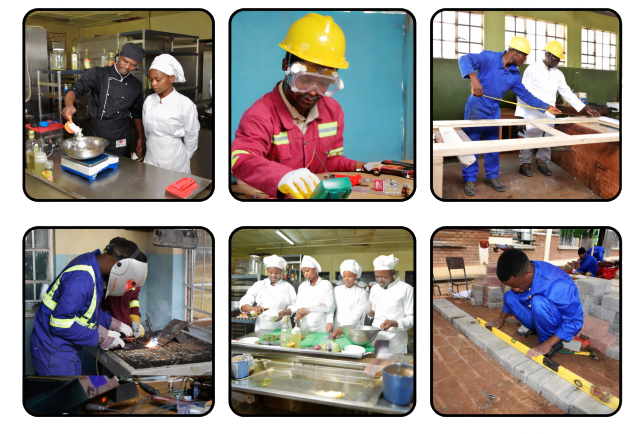
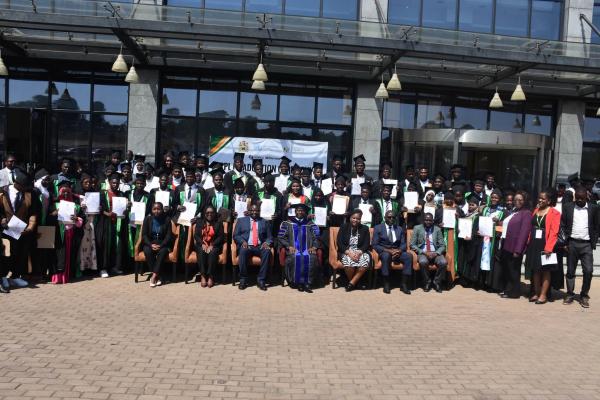
A total of 226 young men and women in Mzimba have graduated with vocational skills in various trades under the Social Protection for Gender Empowerment and Resilience (SP-GEAR) Project, marking another milestone in efforts to empower rural youth with employable and entrepreneurial skills.

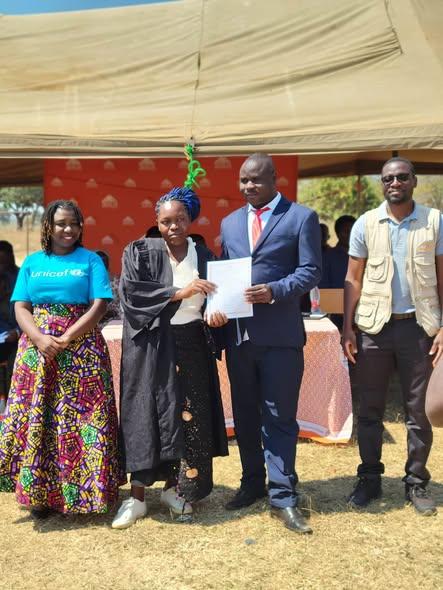
A total of 226 young men and women in Mzimba have graduated with vocational skills in various trades under the Social Protection for Gender Empowerment and Resilience (SP-GEAR) Project, marking another milestone in efforts to empower rural youth with employable and entrepreneurial skills.
The graduates completed their training through the master crafts apprenticeship model, an innovative approach that equips young people with practical, market-driven skills while strengthening pathways to self-reliance and economic inclusion. The SP-GEAR Project is funded by the European Union and Government of Ireland through UNICEF, and is helping expand access to skills development opportunities for vulnerable youth in rural communities across Malawi.
Speaking as Guest of Honour during the graduation ceremony, Vice Chairperson for Mbelwa District Council, Victor Muva, expressed appreciation to the project partners for investing in the future of young people in the district.
“The council is incredibly grateful to UNICEF, TEVETA and the SP-GEAR Project for this life-changing initiative. We challenge you, our graduates, to use your acquired skills to develop your communities and contribute to local economic growth,” said Muva.
UNICEF Social Policy Officer Tapiwa Zimba reaffirmed UNICEF’s commitment to supporting initiatives that equip young people with skills and opportunities to build sustainable livelihoods.
“We are proud to support an initiative that empowers young people to take charge of their future, achieve financial independence and contribute meaningfully to the development of the nation,” she said.
Representing TEVETA, Acting Regional Service Centre Manager for the North, Tenis Molande, commended the graduates for their dedication and resilience throughout the training period and encouraged them to uphold professionalism as they transition into the world of work.
“Today marks not just the end of your training, but the beginning of your journey as drivers of Mzimba’s local economy. Through the SP-GEAR Project, you have been equipped with tangible skills that nobody can take away from you,” said Molande.
The graduation ceremony brought together local leaders, project stakeholders and community members to celebrate the achievements of the graduates, who are now better positioned to create employment opportunities, improve their livelihoods and contribute to the socio-economic development of their communities.
Share this post:
Related Posts

News
TEVETA Malawi Takes Leadership Role in Pan-African TEVET Regulators Association
TEVETA Malawi has been elected to the Executive Board of the Association of TEVET Regulators in Afri...
News
ILLOVO, TEVET COLLEGES STRENGTHEN SKILLS DEVELOPMENT PARTNERSHIP
Illovo Sugar (Malawi) Plc has strengthened its partnership with TEVET institutions through the signi...
News
100 Artisans Earn National Recognition Through RPL Certification
100 artisans today received nationally recognized qualifications under the Recognition of Prior Lear...